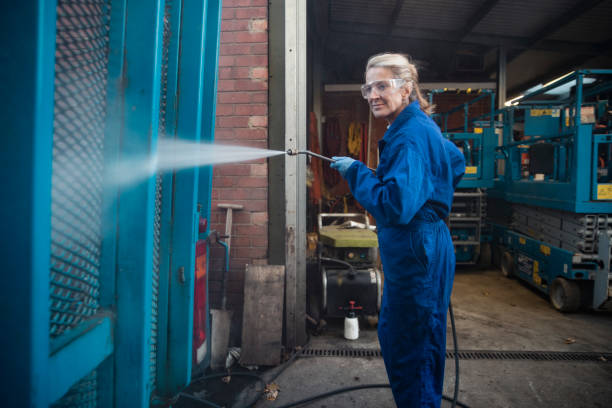
Factories don’t get dirty the way offices do. There’s no coffee ring on a desk or a bit of dust behind a monitor. Industrial sites accumulate grease, metal shavings, chemical residue, airborne particulates, and machine oil, often across thousands of square metres of floor space that never really stops operating. For plant managers across Sydney, cleaning isn’t a cosmetic exercise. It’s tied directly to safety, equipment longevity, and whether a workplace incident report gets written this month or not.
Anyone who has worked on a Factory Cleaning Sydney knows that a build-up of grime isn’t just unsightly, it’s a genuine hazard. Oil residue on concrete becomes a slip risk. Dust accumulation near electrical equipment becomes a fire risk. Poor air quality from unmanaged particulates becomes a long-term health issue for the people working the floor eight hours a day, five days a week.
Why Standard Cleaning Doesn’t Cut It
A typical commercial cleaning crew, the kind that might handle an office tower overnight, usually isn’t equipped for industrial environments. Factory cleaning calls for different equipment entirely: industrial-grade degreasers, high-pressure washing systems, specialised vacuums rated for fine particulates, and staff trained in handling the kind of residue that shows up in manufacturing, food processing, or heavy engineering facilities.
There’s also the question of scale. A single production floor can be the size of several office buildings combined, and unlike an office, much of it needs to be cleaned around active machinery rather than during a quiet after-hours window when everything is switched off.
Safety Compliance Isn’t Optional
Under NSW work health and safety regulations, employers have a legal duty to maintain a workplace that doesn’t expose staff to unnecessary risk. A factory floor covered in oil spills or metal debris is about as clear-cut a hazard as it gets, and it’s the kind of thing WorkSafe inspectors take seriously if an incident occurs and a paper trail of neglect comes to light.
Beyond the legal obligation, there’s a very practical business case too. Workplace injuries mean lost productivity, worker’s compensation claims, and in some cases, reputational damage that makes it harder to attract skilled staff. A clean, well-maintained facility signals to employees that management takes their wellbeing seriously, and that goes a long way in industries where staff turnover is already a challenge.
The Areas That Matter Most
Not every part of a factory needs the same level of attention. High-traffic walkways and loading dock areas usually need daily or near-daily cleaning to manage dust and debris tracked in from outside. Machinery surrounds need regular degreasing to prevent oil and residue building up to dangerous levels. Break rooms and amenities, often overlooked in industrial settings, still need the same hygiene standards as any workplace kitchen or bathroom.
Then there’s the less visible work: ventilation systems, overhead structures where dust settles unnoticed, and storage areas where chemicals or raw materials are kept. These areas don’t need daily attention, but neglecting them for too long tends to create bigger, more expensive problems down the track.
Working Around Operational Hours
One of the biggest logistical challenges in industrial cleaning is that many factories run multiple shifts, sometimes 24 hours a day. Stopping production for cleaning simply isn’t realistic for most operations, which means cleaning teams need to work carefully around active machinery, forklifts, and staff movement without creating additional hazards themselves.
Experienced providers of Factory Cleaning Sydney services understand this balancing act. They plan cleaning schedules around shift changes and quieter production windows, and they train staff to work safely in environments where the usual rules of a typical commercial clean simply don’t apply.
Protecting Equipment as Well as People
There’s an often-overlooked financial argument for regular industrial cleaning: equipment longevity. Dust and grime buildup on machinery accelerates wear and tear, clogs ventilation systems, and can even interfere with sensitive electronic components on modern production lines. Facilities that invest in consistent cleaning routines often see fewer unplanned maintenance issues and get more useful life out of expensive equipment before it needs replacing.
Choosing an Industrial Cleaning Partner
When comparing cleaning providers for a factory or warehouse, it’s worth looking beyond price alone. Ask about experience in your specific industry, whether staff are trained in handling any hazardous materials relevant to your site, and what equipment they bring for degreasing, pressure washing, or particulate control. A provider that has genuinely worked in industrial settings before will ask the right questions upfront rather than treating your factory like an oversized office.
Final Thoughts
Factory cleaning is one of those responsibilities that’s easy to underestimate until something goes wrong, whether that’s a safety incident, a compliance issue, or equipment failure caused by years of neglect. Getting it right protects staff, protects machinery, and keeps operations running the way they’re supposed to, without the disruptions that come from cutting corners on hygiene and maintenance.