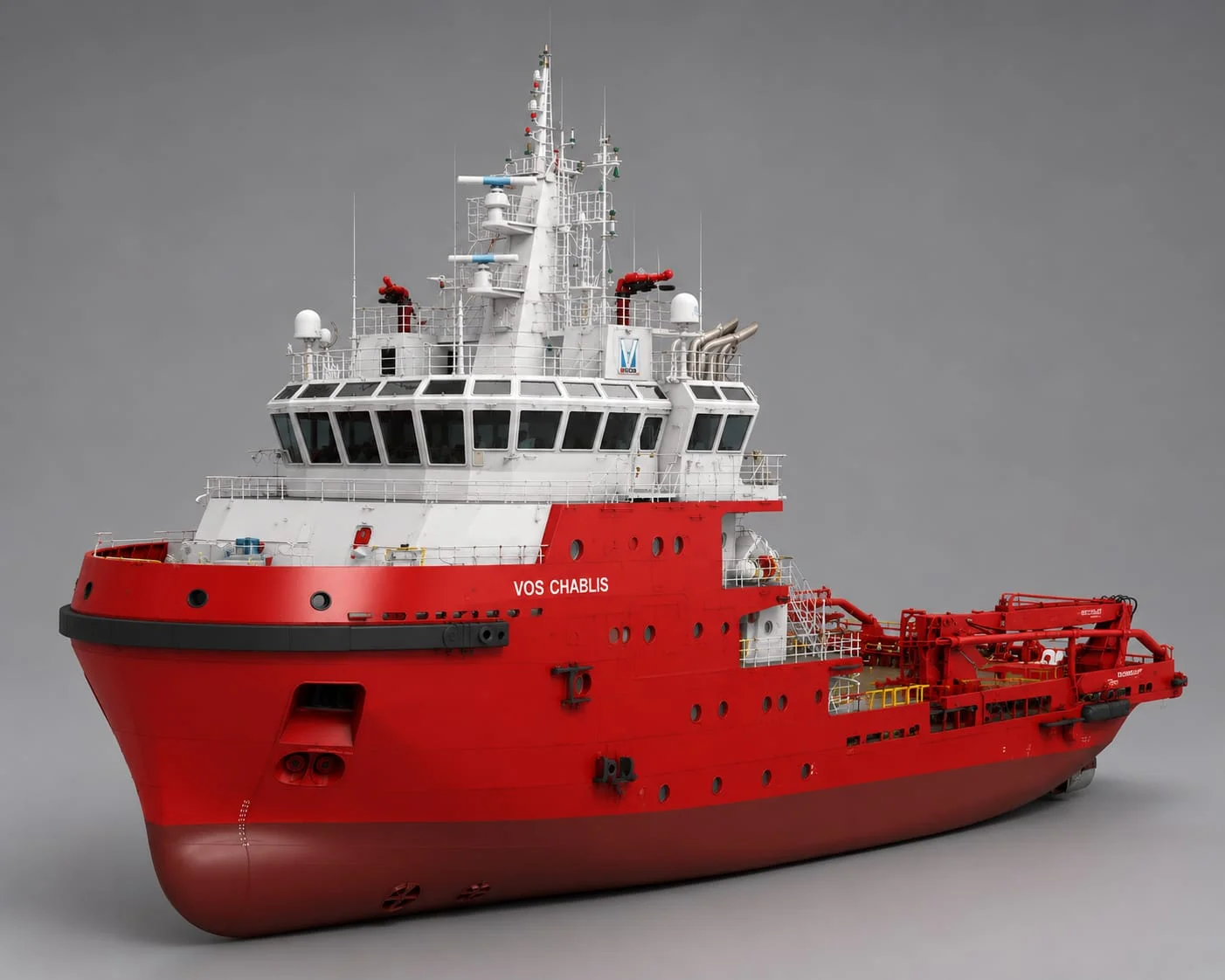
Commissioning a ship, offshore platform, or naval vessel model is not a decision to make on cost alone. The technical accuracy required for maritime builds means the studio you choose has a direct impact on whether the finished piece holds up to scrutiny from engineers, clients, and industry audiences. Finding the right marine model making company india starts with knowing what to actually evaluate before signing off on a quote.
Start With Their Portfolio, Not Their Pricing
Pricing varies widely across the industry, but portfolio quality tells you far more about what you will actually receive. Look specifically for previous work involving vessels or structures similar to yours — a studio skilled at decorative yacht models will not necessarily handle the structural accuracy an offshore platform build demands, and vice versa.
Ask to see close-up photographs rather than just wide display shots, since detailing quality, paint finish, and joint work are usually much easier to judge up close than from a distance.
Check Their Technical Process
A reliable marine model making company india should be able to work directly from general arrangement drawings, CAD files, or lines plans rather than relying only on reference photographs. This matters enormously for accuracy, particularly on vessels or structures where the client needs the finished model to match engineering documentation precisely.
It is also worth asking how the studio handles design revisions mid-project, since drawings frequently change on active shipbuilding or offshore projects, and a studio without a clear revision process can end up delivering a model based on outdated specifications.
Materials and Finishing Standards
Different studios favour different fabrication approaches — some rely heavily on traditional hand-carved wooden hulls, while others lean on CNC machining and 3D printing for consistency across repeated components. Neither approach is inherently better, but you should understand which one a given studio uses and confirm it suits your project’s timeline and detailing requirements.
Paint and finishing work deserves particular attention for maritime builds, since hull colours, waterlines, and livery details need to be reproduced with precision, especially for corporate clients displaying a model alongside their own branding.
Confidentiality and Data Handling
Shipbuilders and offshore operators frequently share unreleased design data with model-making studios, which makes confidentiality a genuine business concern, not just a formality. Before commissioning a build, confirm how the studio stores and disposes of drawings, whether they sign non-disclosure agreements as standard practice, and who on their team has access to sensitive project files.
This is especially relevant for naval and defence-related commissions, where design details may be subject to formal security requirements beyond standard commercial confidentiality.
Logistics, Transport, and Long-Term Support
Large marine models are fragile and often need to travel between the workshop, exhibition venues, and permanent display locations. A capable marine model making company india will have experience packing and transporting large builds safely, and ideally offers repair or touch-up services if a model gets damaged during years of repeated handling.
Finally, ask about after-sales support. Models used for ongoing corporate display or training purposes sometimes need cleaning, repainting, or minor repairs down the line, and a studio willing to support the piece after delivery is generally a better long-term partner than one focused purely on the initial sale.
Making the Final Decision
Once you have reviewed portfolios, confirmed technical process, and checked confidentiality practices, request a detailed quote that breaks down design approval, fabrication, and finishing timelines separately. A studio that communicates clearly at the quoting stage generally continues that clarity throughout the project, which matters far more over a multi-week build than the initial price difference between competing bids.
Red Flags to Watch For
A studio unwilling to provide references, reluctant to sign a standard non-disclosure agreement, or vague about which fabrication methods they actually use in-house versus outsource elsewhere should raise questions before you commit a deposit. Similarly, be cautious of quotes that seem significantly lower than competitors without a clear explanation, since this often reflects thinner materials, less detailing, or a rushed finishing process that only becomes apparent once the model arrives.
On the other hand, a studio that asks detailed questions about your intended use, audience, and display environment during the quoting stage is usually signalling a more thorough and professional approach to the entire project.
What Happens After Delivery
A good working relationship with your chosen studio does not necessarily end at delivery. Ask in advance whether the studio offers repair, cleaning, or repainting services for models that see years of active use in offices, exhibitions, or training centres, since fragile maritime detailing inevitably needs occasional touch-up work over time.
Studios that maintain records of a model’s original specifications — materials used, paint codes, and construction details — can typically carry out future repairs far more accurately than one starting from scratch on an unfamiliar piece.
Building a Long-Term Partnership
For companies that commission models regularly — shipyards presenting new designs, training centres updating their fleet displays — building an ongoing relationship with a single trusted studio tends to produce better results over time than starting the vendor search over with every new project. Familiarity with your company’s standards, branding, and typical use cases saves both time and revision cycles on future commissions.
Regional Considerations Within the Country
India’s coastline and shipbuilding hubs mean that maritime model-making expertise tends to cluster around major port cities and naval establishments, though skilled studios also operate well beyond these regions today thanks to digital drawing exchange and remote client communication. When evaluating options nationally, prioritise demonstrated technical capability over pure proximity, since a studio’s familiarity with maritime detailing matters far more to the final result than how close their workshop happens to be to your office.
For projects requiring in-person coordination throughout the build — particularly large or highly confidential commissions — it can still be worth favouring a studio within reasonable travel distance, balancing that convenience against the specialised experience a slightly further option might offer.
A Decision Worth Taking Seriously
Selecting the right maritime fabrication partner is ultimately about matching technical capability, communication practices, and long-term support against the specific demands of your project, rather than defaulting to the first quote that arrives in your inbox.